So, you’ve been hearing a lot about IPTV lately, right? It sounds fancy, but what is IPTV, really? Think of it as TV, but delivered through your internet connection instead of those old-school cables or satellite dishes. It’s changing how we watch shows and movies, offering more choices and often a way to save some cash. This guide is going to break down what IPTV is all about, how it works, and what you need to know before you jump in.
Key Takeaways
- IPTV, or Internet Protocol Television, is a way to watch TV content using your internet connection, not traditional cable or satellite.
- It works by sending video streams over the internet, often using a managed network for better quality compared to regular streaming.
- You can find different types of IPTV, like watching shows whenever you want (Video on Demand), catching up on missed programs (Time-Shifted), or viewing live events as they happen.
- Benefits include more personalized viewing, watching on different devices like phones or tablets, and potentially lower costs than cable packages.
- It’s important to know that while IPTV technology is legal, some services might not be, so always check if a provider is legitimate to avoid risks.
What Is IPTV in canada
Defining Internet Protocol Television
So, what exactly is IPTV? It stands for Internet Protocol Television, and basically, it’s a way to watch TV shows and other video stuff using your internet connection. Forget about the old-school antennas, satellite dishes, or those thick cable cords. IPTV sends video signals through the same internet pipes that bring you emails and let you browse websites. It’s television delivered over the internet. Think of it as a digital delivery system for your favorite programs, movies, and live events. This method is becoming super popular, especially for people looking to ditch traditional cable or satellite subscriptions. Many folks in places like IPTV IN CANADA are switching over, finding it a more flexible and often cheaper alternative.
Core Concepts of IPTV
At its heart, IPTV relies on a few key ideas. First, it uses the internet’s own language, the Internet Protocol (IP), to send video data. Unlike regular internet streaming, which can be a bit of a free-for-all on the public internet, true IPTV often uses a managed network. This means the service provider sets aside a dedicated lane on the internet just for the video traffic. This helps prevent the annoying buffering and quality drops you sometimes get when the internet is busy. It’s like having a private highway for your TV shows.
Here’s a quick breakdown of how it generally works:
- Content Acquisition: Providers get the rights to shows and movies.
- Encoding: The video is converted into a digital format that travels well online.
- Delivery: The data is sent over the IP network to your device.
- Playback: Your TV or streaming device decodes the data and shows it to you.
IPTV Versus Traditional TV
The biggest difference between IPTV and traditional TV (cable, satellite, broadcast) is the delivery method. Traditional TV uses specific frequencies or signals sent through cables or airwaves. IPTV, on the other hand, uses your internet connection. This opens up a lot of possibilities. You can often pause live TV, rewind shows, or access a library of content whenever you want, which isn’t usually an option with a standard broadcast. It’s a more interactive and on-demand experience compared to the fixed schedules of traditional television.
The shift to IPTV represents a significant change in how we consume video content. It moves away from a one-size-fits-all broadcast model towards a more personalized and flexible viewing experience, driven by internet technology and user choice.
How Internet Protocol Television Operates
So, how does this whole IPTV thing actually work? It’s not magic, though sometimes it feels like it when you’re flipping through channels. At its heart, IPTV uses the same internet infrastructure that brings you emails and lets you browse websites, but it’s a bit more specialized. Think of it like having a dedicated highway for your TV shows instead of sharing the road with everyone else’s internet traffic.
The Role of Internet Protocol
IPTV stands for Internet Protocol Television, and that ‘Internet Protocol’ part is key. It means video content is sent in data packets over a network using the TCP/IP suite, just like other internet data. But here’s the difference: true IPTV services usually run on a managed network. This means your Internet Service Provider (ISP) sets aside a specific amount of bandwidth just for the TV service. This dedicated lane helps prevent the buffering and slowdowns you might get when streaming from the public internet, which is what services like Netflix or YouTube use.
Managed Versus Unmanaged Networks
This distinction between managed and unmanaged networks is pretty important. On a managed network, the provider has a lot more control. They can make sure the video traffic gets priority, which helps guarantee a steady, high-quality stream. This is different from an unmanaged network, where your video stream is competing with all sorts of other internet activity. It’s like the difference between having a reserved parking spot and hoping to find one in a busy public lot.
Here’s a quick breakdown:
- Managed Network (IPTV): Dedicated bandwidth, more control, consistent quality.
- Unmanaged Network (OTT/Public Internet): Shared bandwidth, less control, quality can vary.
The Video Stream’s Journey
When you decide what to watch, your device sends a request to the IPTV provider’s server. The server then starts sending the video data, broken down into small packets, directly to your internet connection. These packets arrive at your home and are received by either a set-top box or an app on your smart TV or mobile device. This device’s job is to decode these packets and put them back together so you can see a clear picture on your screen. It’s a continuous process, with the device constantly receiving and decoding the stream in real-time to give you that smooth viewing experience.
The whole process relies on sending video data in small chunks, or packets, over the internet. Your device then reassembles these packets to show you the program. It’s a bit like putting together a puzzle, but it happens so fast you don’t even notice.
This system allows for features you don’t always get with traditional TV, like interactive program guides and the ability to pause live broadcasts. It’s all about delivering content efficiently and reliably over the internet.
Exploring Different IPTV Service Types
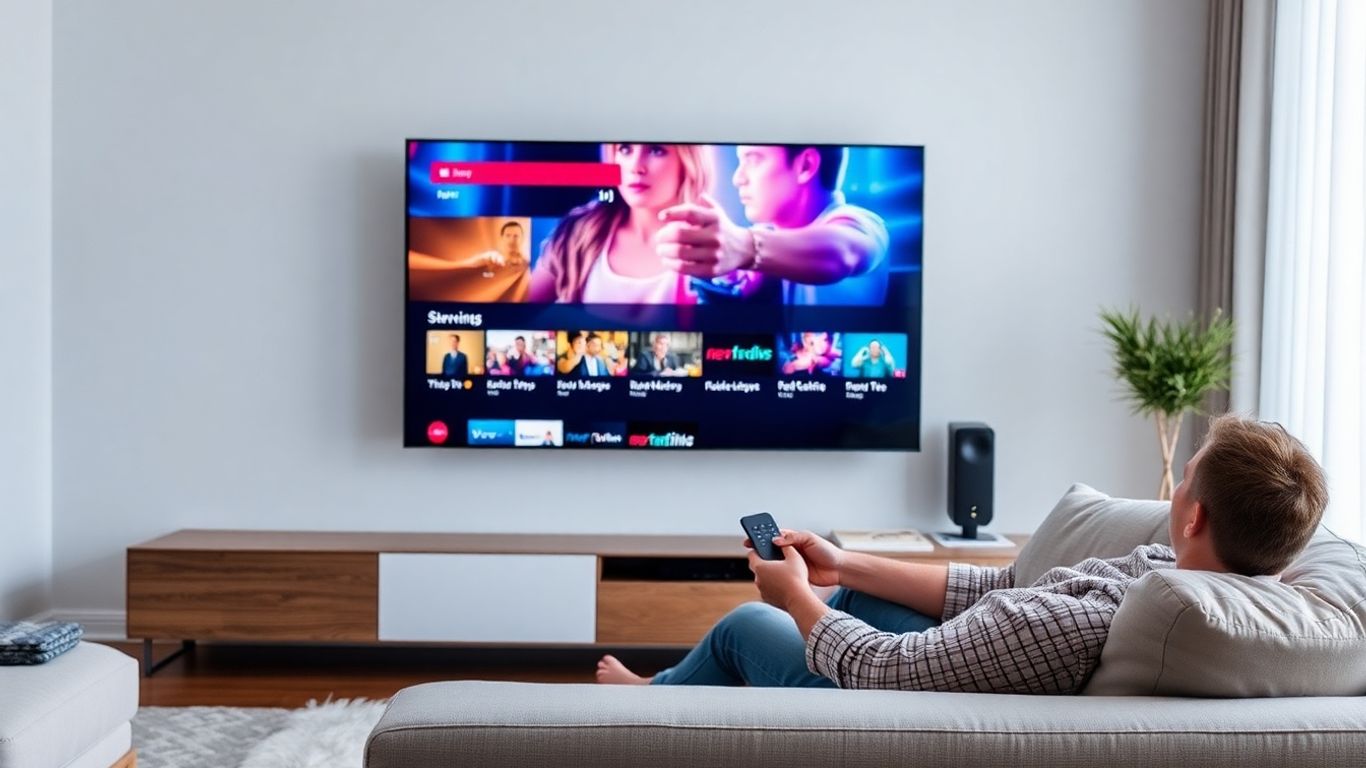
IPTV isn’t just one thing; it’s a whole spectrum of ways to watch TV over the internet. Think of it like having a super-powered remote control for your entertainment. Instead of being stuck with whatever’s on at a certain time, IPTV gives you options. The main types boil down to how and when you get to watch your shows.
Video On Demand Options
This is probably the most popular kind of IPTV. Video On Demand, or VOD, is exactly what it sounds like. You get access to a huge library of movies, TV shows, documentaries, and more. You pick what you want to watch, when you want to watch it. It’s like having your own personal movie theater that’s open 24/7. You can pause, rewind, or fast-forward to your heart’s content. Services like Netflix and Hulu operate on this model, giving viewers complete control over their viewing schedule. It’s a big change from the old days of waiting for your favorite show to air.
Time-Shifted Viewing Capabilities
Ever missed the start of a live game or had to rush through dinner to catch a show? Time-shifted TV is the answer. This feature lets you play around with live broadcasts. You can pause a live program to grab a snack, rewind if you missed something important, or even record a show to watch later. Some services offer a
Advantages of Embracing IPTV
So, why are people switching to IPTV? Well, it turns out there are some pretty good reasons. It’s not just about getting more channels; it’s about how you watch them and what you pay for them.
Enhanced Viewing Personalization
IPTV really changes the game when it comes to making TV watching your own. Unlike the old days where you just watched what was on, IPTV lets you call the shots. You can set up profiles for everyone in the house, and the system learns what you like. This means you get recommendations that are actually good, not just random suggestions. Plus, the program guides are way smarter now. You can search for shows by actor, genre, or even just a keyword, and set reminders so you don’t miss anything. It feels more like a custom-built entertainment hub just for you.
The shift from passive viewing to an active, personalized experience is a major draw. It’s about getting content that fits your life, not the other way around.
Access to Content Across Devices
This is a big one for a lot of people. Because IPTV uses the internet, you’re not stuck watching TV on just one screen anymore. You can watch on your smart TV, sure, but also on your phone during your commute, on a tablet while you’re relaxing in the backyard, or on your laptop. It makes it super easy to pick up where you left off, no matter where you are. It really fits into how we live now, always connected and on the move.
Here’s a quick look at where you can watch:
- Smart TVs
- Smartphones and Tablets
- Computers
- Streaming Devices (like Fire Stick or Apple TV)
Potential for Cost Reductions
Let’s be honest, TV bills can get out of hand. Traditional cable and satellite packages often come with tons of channels you never watch, long contracts, and extra fees. IPTV often shakes things up by offering more flexible and cheaper plans. You can often find smaller bundles focused on what you actually want to see, like just sports or just movies. Many services don’t lock you into long contracts, so you can cancel anytime. And since you’re often using apps on devices you already own, you can skip those monthly equipment rental fees. It’s about paying for what you watch, not a giant bundle of stuff you don’t.
Key Use Cases for IPTV
IPTV isn’t just about watching TV shows over the internet; it opens up a bunch of possibilities for both viewers and content creators. Think of it as a more flexible way to get video content to people.
Expanding Traditional Networks
Big, established TV networks are looking at IPTV as a way to reach more people. Instead of just relying on cable or satellite, they can use the internet to get their channels and shows out there. This means people who might not have traditional TV subscriptions can still tune in. It’s a smart move to grow their audience in a world where everyone’s connected.
Reaching Niche Audiences
IPTV is also fantastic for smaller, specialized content creators. If you’ve got a show about, say, competitive dog grooming or vintage car restoration, you can find your audience online. Instead of trying to get picked up by a major network, you can partner with an IPTV platform and offer your unique content directly to viewers who are really interested. This is a big deal for keeping diverse content alive.
Bundling Telecommunication Services
This is where things get interesting for internet providers. Because IPTV runs over the internet protocol, it can be bundled with other services like high-speed internet and phone calls (VoIP). This creates a complete package for customers. Instead of getting separate bills for internet, phone, and TV, you can get one bill from a single provider. This makes life simpler for consumers and gives providers a way to keep customers happy and signed up for more services. It’s a win-win, really. Plus, providers can offer cool extras like cloud DVR or interactive features, making their internet service even more attractive.
Navigating IPTV Providers

So, you’re thinking about diving into the world of IPTV. That’s great! But with so many options out there, picking the right IPTV provider can feel a bit overwhelming. It’s not just about finding the cheapest deal; it’s about getting a service that actually works for you and gives you the content you want without a headache. Choosing wisely means a better viewing experience.
When you start looking, you’ll notice two main categories of services. There are the official ones, often found in app stores like Google Play or Amazon. These are usually from bigger companies, and because they’re vetted by these platforms, they’re generally considered legal and reliable. Think of services you might see advertised or bundled with other streaming apps. They tend to be straightforward and easy to set up.
Then you have the unofficial providers. These often aren’t in the main app stores, and you might have to install their apps manually. They can sometimes offer a massive number of channels, often from all over the world, and at a lower price. However, with these, it’s harder to know if they have the proper rights to broadcast everything they show. Because of this, using a VPN is a good idea if you go this route, just to keep your online activity private.
Here are some things to think about when you’re comparing different IPTV subscription options:
- Channel Selection: What kind of shows or sports do you want to watch? Make sure the provider has them.
- Price: How much are you willing to spend each month? Compare packages carefully.
- Device Compatibility: Will the service work on your TV, phone, or tablet?
- Number of Connections: How many devices can you stream on at the same time?
- Customer Support: If something goes wrong, can you get help easily?
For example, if you’re in IPTV CANADA and looking for a wide range of live sports and news, you’ll want to check providers that specialize in those areas. Some might offer more international channels, while others focus on local programming. It’s all about matching the provider’s strengths to your viewing habits.
It’s really important to remember that while IPTV technology itself is perfectly legal, some services operate in a gray area. Always try to stick with providers that are transparent about their content and licensing. This helps you avoid potential legal issues and ensures you’re getting a legitimate service.
The Legal Landscape of IPTV

Distinguishing Legal Services
IPTV technology itself is perfectly fine, but the way some people use it has created a bit of a murky situation. It’s really important to know the difference between services that are playing by the rules and those that aren’t. A legal IPTV service has gone through the trouble of getting the proper permissions, or licenses, to show you the content they offer. This means they’ve worked out deals with the companies that own the shows, movies, and live events. They’re usually pretty upfront about where their content comes from and often have their apps available on major platforms like your smart TV’s app store or Google Play. If a service seems too good to be true, offering tons of channels for next to nothing, it’s a big red flag.
Risks of Unlicensed Providers
Using an IPTV service that doesn’t have the right licenses is basically like watching pirated content. It’s not just a little bit illegal; it can actually put you in a tricky spot. These unlicensed providers often get their streams by illegally copying broadcasts. If they get caught, which happens, they can be shut down. Sometimes, the developers behind these shady operations have even faced legal trouble, like getting arrested or having their services taken offline. Beyond the legal risks, these unofficial services can be a security nightmare. They might not have good security measures, meaning your personal information could be at risk, or your device could get infected with malware. We’ve seen cases where data from these services got hacked, exposing user details.
Ensuring Compliance and Safety
So, how do you stay on the right side of things and keep your viewing experience safe? First off, stick to services that are easily found in official app stores. If you can download the app directly from your smart TV’s store or Google Play, it’s a much safer bet. These platforms usually do some level of vetting. Always do a little digging into the provider. Look for reviews, check their website, and see if they clearly explain their content sources. If you’re unsure about a service, it’s probably best to steer clear. For added protection, especially when using any third-party streaming app, consider using a Virtual Private Network (VPN). A VPN encrypts your internet connection, making it harder for anyone to track your online activity or potentially access your data. It’s a good habit for general online safety, and it adds an extra layer of privacy when you’re streaming content from less conventional sources.
Here’s a quick rundown of what to look for:
- Official App Store Availability: Can you find the service’s app on your smart TV, phone, or tablet’s official app store?
- Content Licensing Transparency: Does the provider clearly state where they get their content and that they have the rights to show it?
- Reputation and Reviews: What are other users saying about the service? Look for established providers with positive feedback.
- Security Practices: Does the provider mention any security measures they take to protect user data?
- Pricing: While cost is a factor, extremely low prices for a vast amount of content can be a warning sign.
The Future of Internet Protocol Television
So, what’s next for IPTV? It’s not just about watching shows anymore; it’s about how it all fits together with our digital lives. Think about it: more and more things we do are online, and IPTV is becoming a part of that. We’re seeing a big push towards making IPTV more integrated with everything else we do on our screens.
Integration with Digital Experiences
IPTV is starting to blend with other online activities. It’s not just a separate thing you turn on. Platforms are making it easier for creators and businesses to set up their own niche IPTV services. This means you might see more specialized content popping up, tailored to very specific interests. It’s like having a personal TV channel for your hobbies.
Growth of Niche IPTV Services
Because it’s getting easier to create and distribute content, expect a lot more specialized IPTV channels. Instead of just the big networks, you might find services dedicated to cooking, classic movies, specific sports, or even local community events. This variety is a big change from the limited options of traditional TV.
Evolving Entertainment Landscape
What does this all mean for how we watch TV? It means more choice and more control. IPTV is moving towards better streaming quality, more interactive features, and experiences that feel more immersive. It’s a dynamic space, and it’s going to keep changing how we get our entertainment. It’s pretty exciting to think about where it’s all headed.
Internet Protocol Television, or IPTV, is changing how we watch shows. It uses the internet to send TV signals, making it super flexible. Imagine getting all your favorite channels right through your internet connection! This new way of watching TV is getting better all the time, offering more choices and clearer pictures. Want to see what’s next in TV? Visit our website to learn more about the exciting world of IPTV!
Wrapping It Up
So, that’s the lowdown on IPTV. It’s basically TV delivered over the internet, which sounds simple, but it opens up a bunch of new ways to watch stuff. You can get live channels, watch shows whenever you want, and often do it for less money than your old cable bill. Just remember to be smart about where you get your service from – stick to the legit ones to avoid headaches. Whether you’re looking to save cash or just want more control over what you watch, IPTV is definitely worth checking out.
Frequently Asked Questions
What exactly is IPTV?
IPTV stands for Internet Protocol Television. Think of it as watching TV shows and movies using the internet, instead of the old ways like cable boxes or satellite dishes. It’s like streaming videos online, but often for live TV channels too.
How is IPTV different from regular TV?
Regular TV sends signals through the air or cables. IPTV sends TV content through the internet, just like how you watch videos on websites like YouTube. This means you can watch it on different devices, not just your TV.
Do I need special equipment for IPTV?
Usually, you’ll need a good internet connection. Sometimes, you might use a special box called a set-top box, or you can often use apps on smart TVs, phones, or computers. It’s similar to how you set up internet service.
What kinds of shows can I watch with IPTV?
IPTV offers a lot of choices! You can watch live TV channels, just like you would with cable. You can also watch shows and movies whenever you want (called Video on Demand), or catch up on something you missed (like pausing or rewinding live TV).
Is IPTV cheaper than cable TV?
For many people, yes! IPTV services can be more affordable because you often pay for only the channels or shows you want. You might not have to pay for long contracts or lots of channels you never watch.
Can I watch IPTV on my phone or tablet?
Absolutely! One of the best things about IPTV is its flexibility. You can watch your favorite shows on smart TVs, computers, smartphones, and tablets, making it easy to watch wherever you are.
Are all IPTV services legal?
That’s a really important question. While IPTV technology itself is legal, some providers offer channels without permission, which is illegal. It’s crucial to choose legitimate services that have the rights to show the content to avoid problems.
What’s the future of IPTV?
IPTV is becoming more popular and is expected to grow even more. It’s likely to get better at working with other online services and offer even more unique and specialized content, changing how we watch entertainment.